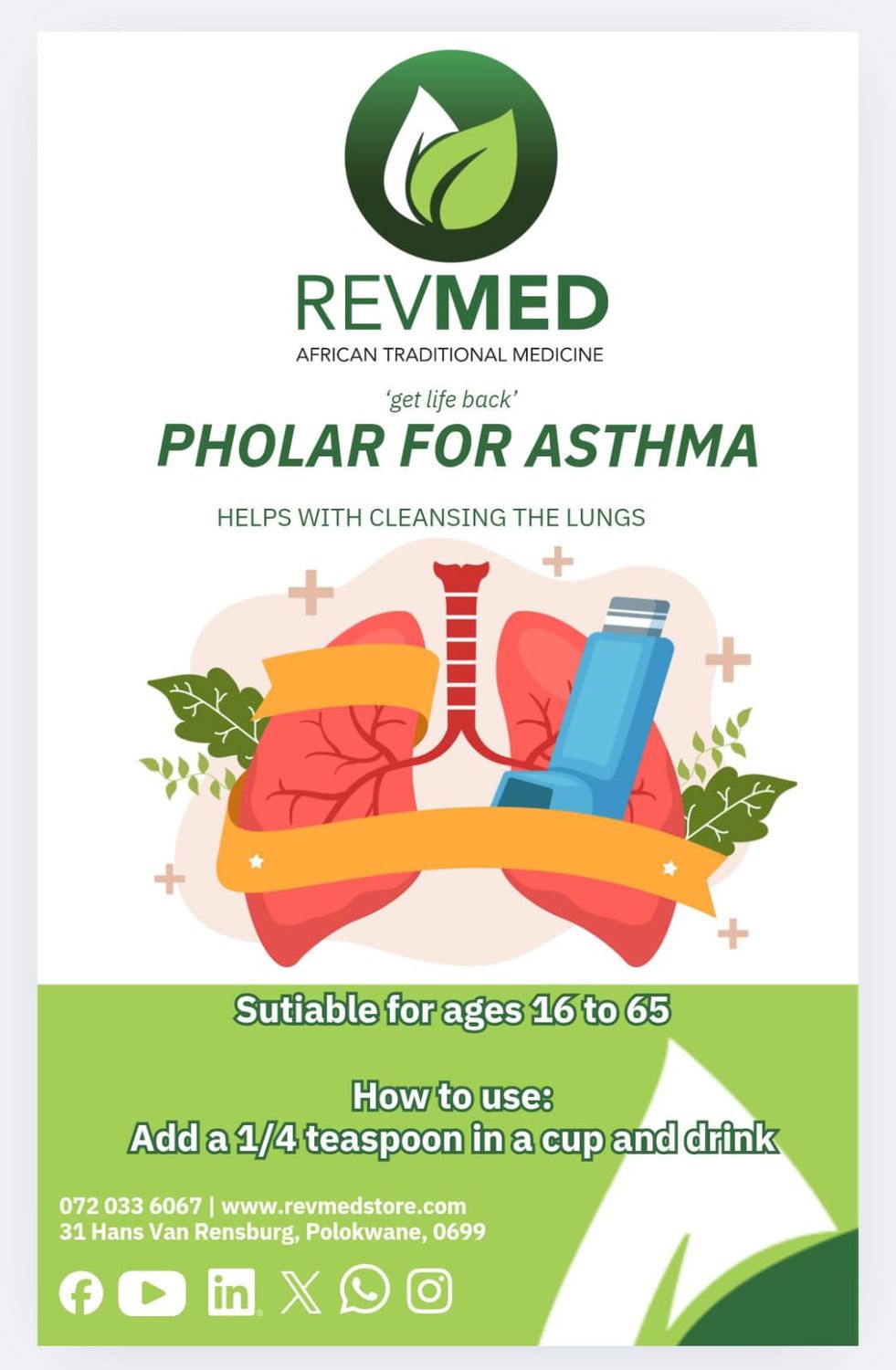
- Supports Respiratory Health
Known for relieving asthma symptoms, it can be used as an herbal tea to ease breathing difficulties. - Relieves Cough
Euphorbia Hirta tea can help soothe dry or persistent coughs. Boil a handful of fresh leaves in water and drink warm. - Eases Bronchitis Symptoms
The plant’s anti-inflammatory properties may reduce bronchial swelling and irritation. - Improves Digestion
Drinking Euphorbia Hirta tea helps alleviate indigestion and bloating. - Relieves Diarrhea
It acts as a natural remedy for diarrhea when consumed in small quantities. - Treats Dysentery
Euphorbia Hirta has antimicrobial properties that help combat infections causing dysentery. - Soothes Stomach Ulcers
The plant’s compounds may protect the stomach lining and promote healing. Consume as tea, but only under professional guidance. - Reduces Fever
It has been traditionally used to lower body temperature during fevers. A decoction can be applied externally as a compress. - Boosts Immunity
Regular consumption of diluted Euphorbia Hirta tea may strengthen the immune system. - Supports Skin Healing
Crushed leaves applied as a poultice can help heal minor wounds and reduce swelling. - Treats Skin Infections
Its antibacterial properties make it effective for treating fungal and bacterial skin infections. - Reduces Acne
A diluted leaf extract can be applied to acne-prone areas to reduce inflammation. - Manages Eczema
Topical application of Euphorbia Hirta may relieve itching and irritation associated with eczema. - Controls Dandruff
A mild herbal rinse made from the plant can help reduce dandruff. - Reduces Menstrual Cramps
Euphorbia Hirta tea may ease menstrual pain by relaxing muscles. - Balances Hormones
The plant may assist in regulating hormonal imbalances when used as a herbal tonic. - Improves Lactation
Euphorbia Hirta has been traditionally used to enhance milk production in nursing mothers. Always consult a specialist before use. - Helps in Urinary Tract Infections (UTIs)
Its diuretic properties can help flush out infections. Drink as a tea in small doses. - Combats Parasites
Known for its antiparasitic effects, it can be used to treat intestinal worms under expert guidance. - Reduces Anxiety
Euphorbia Hirta may have calming effects on the nervous system. Drink as tea in moderation. - Supports Heart Health
The plant’s compounds may improve circulation and reduce cholesterol levels. - Manages Diabetes
It may help regulate blood sugar levels. Use only under professional supervision. - Relieves Joint Pain
A poultice made from its leaves can be applied to swollen joints for relief. - Treats Toothache
Chewing a small piece of the leaf or applying its juice may help numb tooth pain. - Combats Mouth Ulcers
Rinse your mouth with a mild Euphorbia Hirta decoction to soothe ulcers. - Improves Eye Health
The plant’s juice can be diluted and used as an eye wash to treat mild infections. - Aids Wound Healing
Applying the crushed leaves directly on cuts or bruises can speed up recovery. - Reduces Inflammation
Its anti-inflammatory properties help manage conditions like arthritis and swelling. - Improves Blood Circulation
Regular use may support healthy blood flow, reducing the risk of blood clots. - Supports Detoxification
Euphorbia Hirta acts as a mild detoxifying agent, helping to eliminate toxins from the body.
How to Use Euphorbia Hirta
- As a Tea
Boil 1-2 grams of dried Euphorbia Hirta leaves in 1 cup of water. Drink no more than 1-2 cups per day. - Topical Application
Crush fresh leaves into a paste and apply to the affected area for skin issues or wounds. - As a Compress
Soak a clean cloth in a warm decoction of Euphorbia Hirta and apply it to inflamed or swollen areas.